Creating Buy-In: how to foster cooperation and shared commitment to ideas and initiatives.
So much of what we do requires the cooperation and commitment of others. Getting others onboard isn’t simply about getting projects across the line. It’s about harnessing the full creative potential of teams and fostering a culture of shared ownership and accountability. This requires a careful balance of positive influence, while at the same time allowing plenty of space co-creation.
In this practical session, Simon introduces his ‘3M’ framework for generating positive influence and explores the most common pitfalls of building buy-in and how to avoid them.
Our speaker:
Simon Dowling – is a leading thinker on creating and leading collaborative teams and workplaces. As a speaker, facilitator and educator, he works closely with leaders and teams from some of Australia’s most interesting organisations, equipping them with the inspiration and know-how to build strong, highly engaged teams.
Simon possesses a unique blend of creativity and pragmatism – something reflected in his past experience. He began his career as a commercial lawyer, and is also an experienced improviser, regularly performing with leading improvisation company Impro Melbourne. He was a regular cast member on Working Dog’s hit TV show Thank God You’re Here. For the past 20 years, Simon has been working with leaders across a wide range of industries, helping them to tap the collective genius of their people.
His clients include AFL, Bega Foods, Bendigo & Adelaide Bank, BUPA, Envato, Mercedes Benz, myob, SEEK, Telstra Health and University of Melbourne. He is also a member of the Australian faculty of DukeCE – the executive education arm of the internationally acclaimed business school at Duke University.
Have you ever felt like your life has become all about juggling the priorities? And you’re just on this hamster wheel…
Phoebe Peck has been on that wheel – and knows you need to stop. From juggling near term to long term priorities, Phoebe will be share tried and tested strategies for running in a straighter-ish direction while recognising detours, temptations and pitfalls along the way.
She will share her experiences on prioritisation including from a lighter perspective because let’s face it if we don’t laugh we will cry! (or go insane…)
Conversation & sharing of your tips will be encouraged!
About Phoebe: Phoebe Peck is passionate about hospitality, technology, people and leaving positive imprints on the world through the decisions we make and the actions we take.
Phoebe is Head of Product for the industry-leading hospitality SaaS Company, Redcat. Her talents in product and technology have greatly benefited from a strong operational and managerial background in best of breed quick-service restaurants, and fast-casual hospitality business.
Phoebe values teamwork, perseverance, work ethic and honesty. Phoebe attributes her professional success to her internal drive, continuous learning and working with amazing people.
Phoebe lives in the heart of Tigerland, is a mother of 2, is very competitive, always up for a challenge and has ambitions to one day present at TED.
Product managers are under pressure to drive results, but cannot wield direct power or authority to achieve their objectives. If you don’t know how to influence people at all levels of the organization, how will you create the best possible product?
In this talk, Ken Sandy shared ten techniques from The Influential Product Manager that product managers can immediately apply at each stage of the product life cycle to achieve the best outcome for the customer and their organization.
Key Takeaways:
1. Influence goes well beyond aligning stakeholder and team behaviours behind a common purpose – it is winning their hearts and minds through context setting, establishing a shared set of beliefs, and a passion to solve customer problems.
2. As a PM, being influential starts with how you view and approach your role – such as embracing and stress testing ideas, establishing collaborative relationships with stakeholders and decisively making prioritization and trade-off decisions.
3. Powerfully, product managers are at their most influential when they focus on owning and communicating the problem to be solved (enabling solutions to emerge collaboratively) and driving towards meaningful customer and business outcomes (over simply delivering projects).
Our presenter:
Ken Sandy is a 20+ years veteran in technology Product Management. Ken pioneered and teaches the first Product Management course offered in the Engineering school at UC Berkeley, which has over 400 PM alumni. Throughout his career, Ken consistently defined, launched and managed award-winning, innovative Web and mobile products loved by customers and used by millions of users across 60+ countries.
Previously, Ken served as VP of Product Management at leading online education companies, MasterClass and lynda.com (Linkedin Learning), and is currently an executive consultant and advisor for startup and scale-up companies in the US, Europe, Asia and Australia. He’s recently released “The Influential Product Manager – How to Lead and Launch Successful Technology Products” a highly practical and approachable guide to becoming more effective and navigating the challenging collaborative aspects of the product manager’s role.
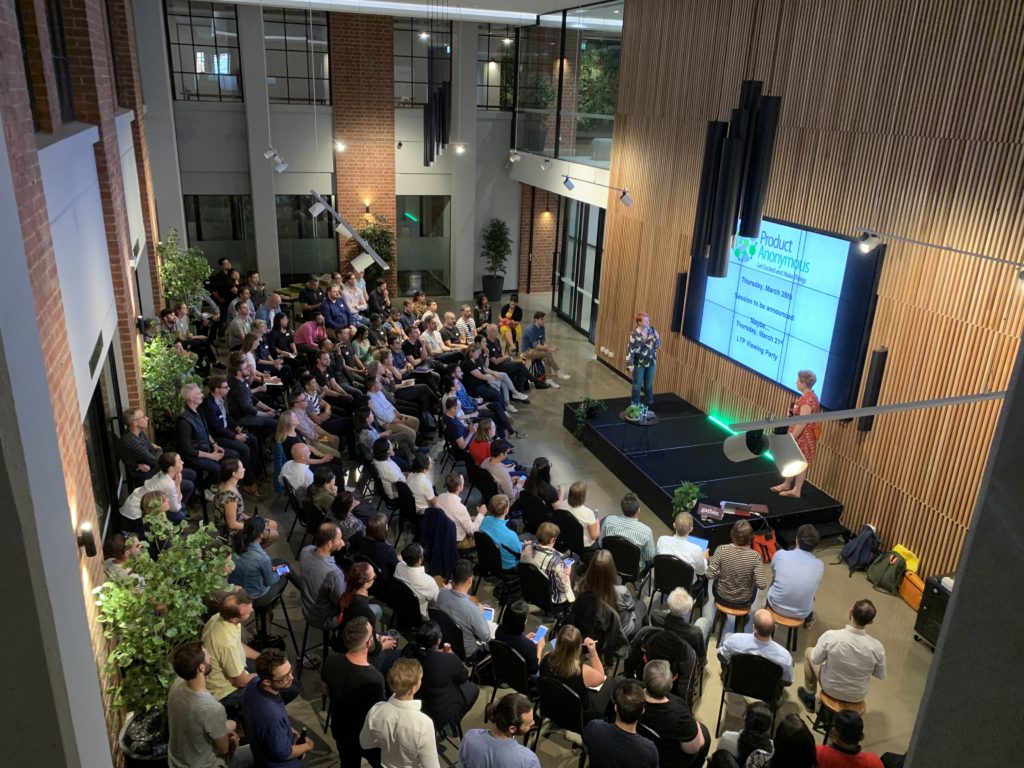
We had such a great time running our first talk online – we had folks pop in from other cities In Oz and countries as far as Brazil & New Zealand. It was really nice to welcome our friends from other cities.
Just like the f2f sessions, there’s always those folks who don’t know when to go home. 😉 Chatting after the session.
Thanks again to A Cloud Guru for hosting us online this month! We’re on a mission to teach the WORLD to cloud. A Cloud Guru is the largest online cloud school on the planet. Our training feels more like logging into Netflix or Spotify – it’s entertaining and playful. The people are the #1 reason employees say they stay at ACG. We’re a quirky, tight-knit crew that cares about our customers and each other. No egos here. Our leaders encourage thoughtfulness, compassion, being humble, and we have a bit of fun along the way.
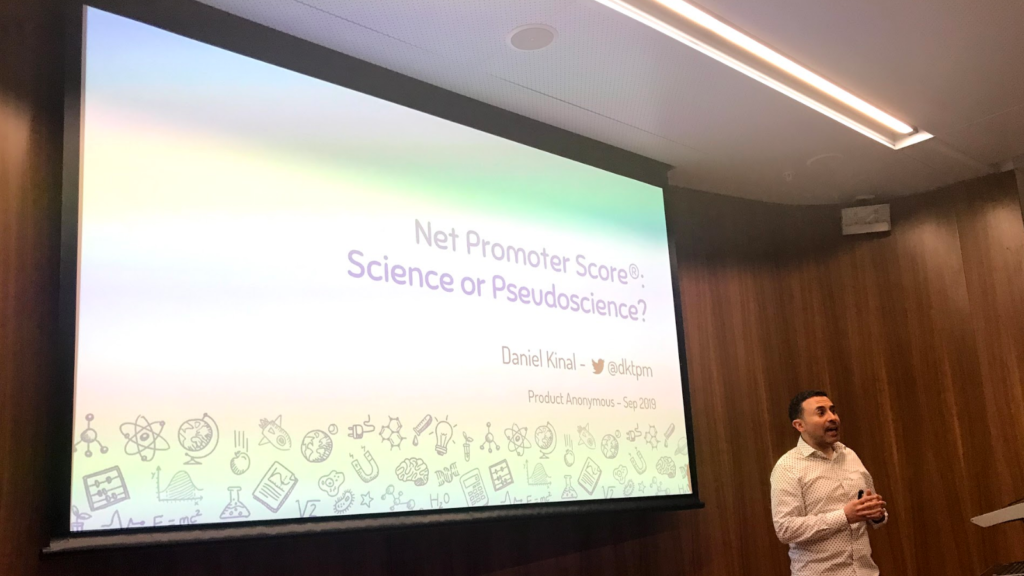
Over the years, Net Promoter Score (NPS) has become the default question to measure and maximise value. But is it right? Is it true? Daniel Kinal joined us to share his thoughts.
Where did NPS come from? Back in 2003, Fred Reichheld introduced the concept to the world. He felt the current measures of loyalty were too convoluted and complicated. So he did his own study, with surprising results, even to him. What he came up with, Net Promoter Score – the one metric that was supposed to have the strongest correlation to company success.
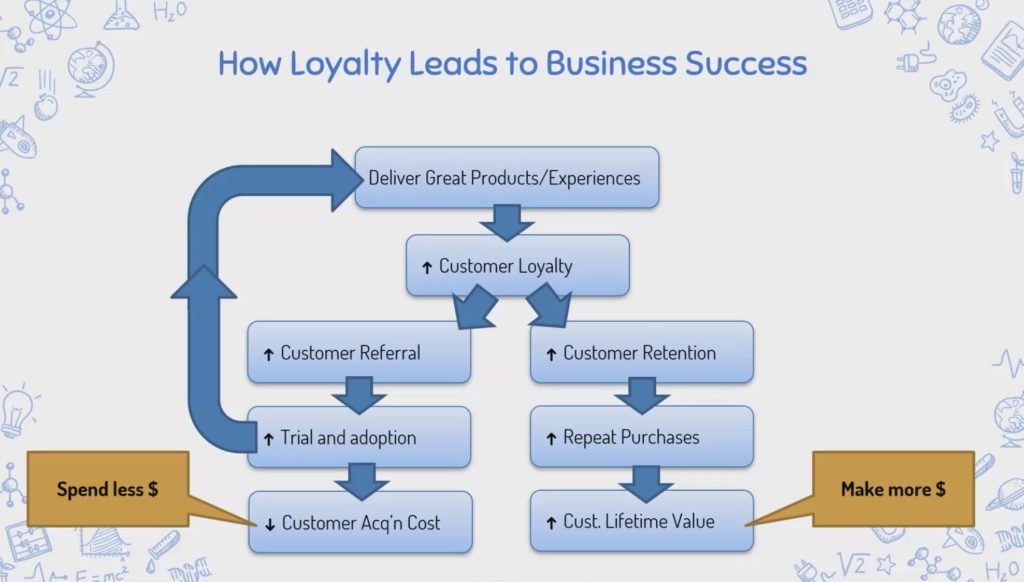
Why should it work? The more likely you are to advocate for a brand, the more people will be willing to trial the product, therefore reducing your acquisition costs. Also, those advocates are more likely to be repeat customers and increasing their lifetime customer value. Score. Double score!
Some caveats:
Simply irrelevant in some industries
Not predictive in a monopoly or near-monopoly conditions
Data analysed was historical, not future
Unconvincing replication studies.
Highly volatile measure
Obscures critical information
Is there a correlation? Well, yes. Is it good as a predictor for future success? Well, maybe not as much. In fact, in one study, NPS only explained 38% of future growth.
Bastardisation If you game your scores, what do you really achieve? From colour coding, nudging your scores, and filtering out negative results. What are you actually able to learn?
Is there an upside? Yes, some compelling aspects of NPS include, it is relatively cheap, fast, simple; and well accepted.
Already using NPS? Make the most of your data.
Don’t focus purely on the number.
Measure brand or full product experience rather than feature or interaction
Measure longitudinally and conduct trend rather than a point in time analysis
Keep it as scientific as you can (randomisation, third party research)
Compare your NPS to direct competitors
Remember what you are measuring (loyalty and propensity to evangelise, not product satisfaction).
Analyse the qualitative feedback
Collect actionable data too, such as customer satisfaction.
For a shorter version of Daniels’s talk please find this recording from his presentation at Web Directions. Here are the slides from the evening.
Thank you to Medibank for hosting, and all our Prod Anon volunteers for helping on the night, Nadia Gishen, Irene Toh, Marija Becker, Yau and Steve Cheah for this write-up.
Most teams have gotten really good at delivering quickly, and measuring our results. However sometimes we can get a bit addicted to shipping fast rather than right, listen to our assumptions too much, and relying on A/B testing to validate if we’ve delivered value.
Hear about the struggle and joy of a journey of continuous discovery, and some examples of validating ideas before building anything.
Our presenter: Caitlin Blackwell is Acting Head of Product – Candidate Experience at SEEK. She’s previously been in Product Manager roles across many parts of SEEK over the past 7 years, and is currently focused on driving the candidate vision for all of SEEK’s jobseeking products.
Continuous Discovery
Teresa Torres defines Continuous Discovery as weekly touch points with customers, by the team building the product, where they conduct small research activities, in pursuit of a desired product outcome.
That sounds easy but it is a lot of work to adopt if not already a habit. Some of the mindsets needed to do this well are:
A collaborative mindset: Do you have the right people involved in each decision?
A continuous mindset: Are you continuously discovering opportunities and solutions?
An experimental mindset: Are you prepared to be wrong?
Teresa Torres has another great video explaining the value of continuous discovery and where it fits in with the many other methods we may be using already. Join us this month to hear more about what it takes to implement and the benefits to be gained for you and your team. RSVP now
Thanks to our wonderful hosts RMIT Online.
Launching Australia’s first University program in Product Management on the 1st of June to help fulfil the emerging skills gap in product management! It’s a Graduate Certificate – Masters level, 4 subjects, and can be completed in 6-12 months.
This month we will be talking about OKRs – aka Objectives & Key Results!
This is a follow on from our Roadmap discussion in February where some of the frustrations with roadmaps could potentially be addressed by working with OKRs.
OKR’s have been around awhile now, but are somewhat relatively new for product teams here in Oz. We have gathered a few folk who are actively using them, to share the pain and the success of getting started.
Our presenters will be:
Andrew Knibbe, Head of Product – Direct Hirer at Seek – has over 10 years of product management experience – cutting his product teeth in the early days alongside the ThoughtWorks team at Sensis followed by stints at Carsales and Flippa before moving to SEEK where he has had Head of Product roles across both the Consumer and Business side of the employment marketplace. He doesn’t miss the chevrons-on-a-page days of product roadmaps and remains excited about what OKRs can mean for product teams (and customers!).
Wayne Allan, Technical Product Manager, REA – A muso turned software engineer turned product manager, I love creating things people love! Currently solving problems at realestate.com.au
Brad Dunn is the Co-founder and Product Director at OHNO in Melbourne. Before that, he was the executive for Product & Customer Experience at Geo. For 7 years, Brad was the CEO of Nazori, a mobile product development business, where they worked with clients in 12 countries around the world including Samsung, Airbnb and Aesop.
For some pre-reading to get you across the area if you haven’t heard of them or used them yourself then try these resources:
Thanks to our sponsors Medibank for being our hosts this month. RSVP now.
We are Medibank – an integrated healthcare company providing private health insurance and health solutions to 3.7 million Australians through our Medibank and ahm brands, and complimentary health services.
We also provide a range of integrated healthcare services to our private health insurance policyholders, government, corporate and other retail customers. With over 3,000 employees, our head office is located in Melbourne, Victoria, with operations nationally throughout Australia.
By delivering on our promise, for Better Health for Better Lives, we work better as individuals, better as a team and better as a business.
We opened 2019 talking about roadmaps – a topic we had been asked in responses to our annual feedback to spend some more time on. We invited our speakers to share their different perspectives on roadmaps… and we heard come common themes to help understand how to keep a roadmap from controlling your life, and how to turn it into a fabulous communication and vision guide for inspiring your teams, plus some sage advice relevant to each organisation who took the stage that evening.
Below are some highlights from each talk plus the slides from each speaker – feel free to reach out to any of them if you would like to chat more. Plus we have added some references to other resources to read and explore at the end of this post.
David Bignall / Seek
David had much to share – ultimately not a fan but he did share some tips on how to help make them work for you rather than be a slave to them!
Roadmaps are a thing, every company has them so you will
encounter them. David used this deck at Seek over a year ago to his team and
people so proof they are a real thing, but after having the discussion has
helped wean the team/group he is on off them.
For David when sharing what he thinks a roadmap is showed a
map – because it is a journey to an unknown place.
“A document to capture and quickly convey a team’s big-picture goals, specific objectives and their imagined path to success” – Dave
“A company roadmap is a document to capture and quickly convey its big-picture plans and objectives” – prodplan.com
“The first purpose is because the management of a company wants to make sure that the teams are working on the highest value items first, relevant to the company strategy.
The second purpose is because businesses may have date-based commitments. The roadmap is where they see and track those commitments.” Marty Cagan, SVPG
They can be useful – but they can also be a big waste of
time – common issues:
Intended goals/purpose are not stated or are not clear
Often far to specific
You can’t have that much foresight 9 months away
They do not account for “time to value”. Iteration is almost always needed to realise the full value of a new product/feature – (David bravely shared an own example of a very bad roadmap!)
Put item on there and them immediately moving on to the next thing
Ignoring the process of iteration or things going wrong
Detail on roadmap can lead team to auto-pilot. They build what they put down on paper often months in advance
Team goes into auto-pilot. As if this is their job, rather than thinking of most value to be delivered for the customer
Distributed copies are out of date
Keeping stakeholders up to date can drain your time. You don’t want to feel like you work for the roadmap, and it is just sucking your time from doing real work.
“Many untested hypotheses, based on assumptions, plotted in an uncertain future, bearing no resemblance to reality” Jared Spool
Dave’s top tips for roadmaps
Show where you want to go
Choose granularity relative to the timeframe and
audience
Avoid specificity (Show the problem or JTBD or
objectives as descriptors of intent rather than the solution)
Whitney opened with sharing a story about her experiences of
not liking roadmaps because she has never seen a roadmap, become reality. She
first got to know REA when working at a company in the US, and became a slave
to the roadmap as they committed to work they would deliver to this customer.
Then, she joined REA and was so excited about agile and thought, YES! I’ll get
away from roadmaps! But she was fooling herself – see the beautiful roadmap on
the wall at REA (pictured in slides). However, she soon found that REA was
using roadmaps and needed to due to the big size of the organisation and the
need to coordinate a lot across so many teams, groups etc.
However, in Whitney’s attempt to accept roadmaps and make peace with the need for them she started asking “Why do people ask for roadmaps?”.
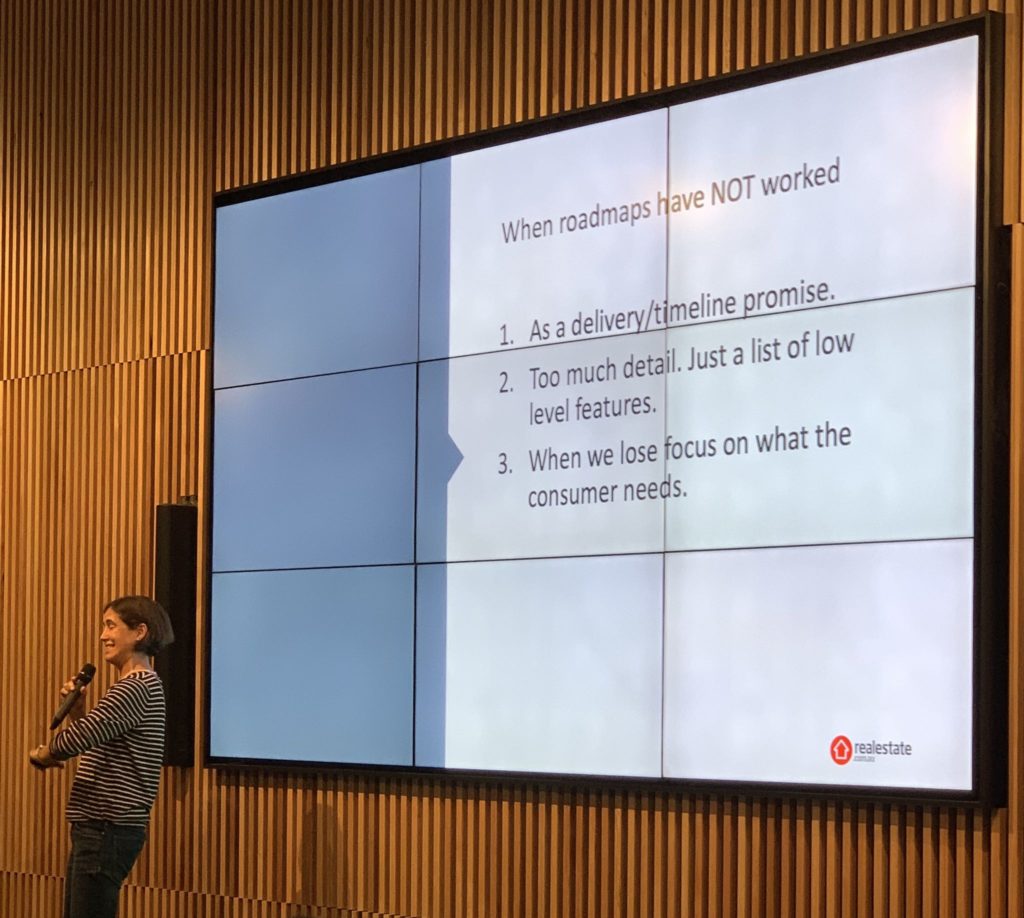
Some of the things she learnt don’t work when using them:
Don’t work as a promise
Too much detail – just a list of lower level
features
Lose focus on what the customer needs.
REA owns a lot of companies and even just within
Realestate.com a dozen delivery teams.
“Satisfaction is a confirmation or dis-confirmation of expectations.”
Example of people waiting for train for 15 minutes but
dissatisfied, and others warned that train will come at 5:30 and apologies for
the delay, did not rate their travel experience as dissatisfying as compared to
the first group as their expectations were met/managed.
With that in mind let’s try to think what this artefact does
to satisfy our leaders.
So what are they currently doing with Whitney’s team – they
use a 90 day view – showing a commitment up to 90 days. No promises beyond that
– great for delivery teams. Not great for stakeholders.
For stakeholders they use a Discovery backlog (second 90 days) and an Opportunity backlog (all the rest – no priority) – people now satisfied that their idea is on there – somewhere. Others groups understand that stuff that comes out of Discovery will most likely make it to the committed version and the conversation is being moved to a different stage of team flow.
I encourage you to seek to understand with genuine curiosity, the needs of anyone who has a problem and thinks that a roadmap is the solution. Whitney
Keith Swann / Origin Engery
Keith brought to us a more positive upside to the roadmap
discussion
His beliefs are that they help with:
Alignment – up or down
Influence – rarely based on dollars
Leadership – how do we inspire people and rally
them to our cause
Alignment
Everyone will scrutinize it to their own
beliefs, so do it carefully – target on your back
Strategic – Financial, PMOs, GMs, etc. etc.
interpret the stuff and then try to manage up and down.
Cultural – make sure it talks to your audience
Influence Record – Successful record of moving
things along. Better record = less scrutiny
A road map is a Story telling device and the aspects Keith uses are MUM, Problems, Position, Opportunity, Value. How do you tell the story, “up or down” the organisation. Think of the “Cone of influence” – below people can make lots of small decision but not big decisions. As you move up you get spun out if you aren’t managing those stakeholders.
Eisenhower: Plans are useless, but planning is
indispensable
Every day the plan can change – the second your
plan is finished it is out of date.
Roadmap = Vision.
Takeaways
Don’t put in too much detail
Think of your audience – Working Tested Feature
– WTF
Don’t muddle the Project Mindset – Delivery
Planning – Bookending with a roadmap
Don’t become vague in your horizon 2 and 3 –
don’t over promise
Make it easily editable and manageable
Post Its on the wall and photos
Over invested time of effort – working with
visual designers. 5 days work and 6/7000$ and printed in colour. Thus, you deliver
to the roadmap even though you don’t want it anymore because too much effort
went into the artefact.
Don’t clearly show values
Don’t focus on the feature – focus on the
problem or opportunity.
Roadmaps may very well be a necessary evil, especially in a big organisation when you have many teams and people to motivate, inspire and align. However, our speakers have shared some great tips to help keep you from being a slave to them as well. For some more references and reading on steering clear of them and/or leaning into making them work for you check out some of the links below:
Marty Cagan is not a fan and in these post he links to OKR’s which came up in both the speaker presentations and the questions afterwards.
And last but not least for a more practical tuition on taking back control of your roadmap you could check out Bruce McCarthy’s seminar on UIE
A few key slides from tonight's #prodanon Meetup in Melbourne on roadmaps: tearing down assumption-based, feature-filled, date-driven #productroadmaps, and sharing better ways to communicate the outcomes we're focusing on delivering to help achieve a bigger, longer-term vision pic.twitter.com/0qoyYxlNft
For our 1st session of the year, we are focusing on the #1 requested topic in our annual survey – roadmaps!
Our speakers will be taking you through their perspective on roadmaps… we won’t give it all away just yet but you will hear that not every roadmap is f**ked, tips on how to unf**k your roadmap, and of course when to tell a roadmap to go f**k itself.
Our speakers will include examples from both personal experience and the way their current organisation navigates their use. Our three great speakers will be:
David Bignell
Product Lead at SEEK, currently focused on improving the eCommerce space across the APAC region.
Picked up most of my craft from stuffing things up at least once.
Current ‘product passion’ would be trying to describe things in verbs and not nouns. Gives an interesting perspective!
Whitney Cali
GM Product, Audience & Experience, REA Group
As REA Group’s GM – Product, Audience & Experience, Whitney Cali is responsible for creating smart and compelling experiences in realestate.com.au’s desktop & mobile apps to help change the way the world experiences property. She leads a team of product managers, designers and UX researchers to create intuitive and personalised experiences that help individuals make great property decisions.
Keith Swann
Lead Product Manager, Origin Energy
There will be lots of time for Q&A and you can submit questions via Sli.do or vote on the questions of others. Details will be shared on the night.
Thanks to our sponsors! Without them these events would not happen!
Thank you to Gather for hosting us. Gather is a brand within United Co. and exists to connect and inspire a community of Melbourne’s bright-minded and open-hearted, exploring complex questions, expanding perspectives and building skills for a thriving future.
Join us for a panel discussion on Service Design & Product Management on June 21st. RSVP
Today’s customers demand more than a good product; they expect a great customer experience. Are we being experience led or product led? How do we come together to deliver both?
Most designers have felt the frustration of working on product led projects. Most product managers have felt the inevitable scope creep of designers. If you’ve felt the pain of the design vs product divide, you’re not alone. It’s time we sit down for a chat (& drinks) to work through…
We already have a waitlist for this event but spaces open up so put yourself on the list. Drinks and nibbles will be provided.
Our panelists:
Kate Edwards-Davis, Product Manager, Karista – a start-up helping people who need care to find their ideal community-based care or disability support service.
She stumbled into a career in IT after studying philosophy and classical music performance. Always a strong advocate for the value of spending time listening to customers, it has helped her teams to deliver imaginative and valuable solutions in many sectors including finance, retail, manufacturing, government and education. She should probably say her greatest joy in life is her two young sons – but in all honesty they probably come second to her obsession with the music of Prince.
Daniel has been in product management for over 15 years, chiefly working in IT with a focus on B2B products. He gets excited about helping businesses become more effective in decision-making, more efficient in their processes and more engaging with their customers.
Daniel is at his happiest when waving his arms about in front of a whiteboard with a bunch of smart people, exploring problems and weighing up solutions. He’s passionate about product management as a discipline and is intrigued by how businesses, large and small, grapple with the sometimes-elusive concepts of innovation and collaboration.
We will use sli.do for panel questions so start prepping your thoughts on what is the difference between service & product? I’ll add more controversial questions closer to the date 🙂
The event will be hosted by SuperSeed / NEXT – The innovation division of the Reece Group.
A cognitive bias is a shortcut your brain takes to make decisions. Cognitive biases can impact our decision making, our memory, the way we interpret research and more.
As product managers need to understand our customers & their needs, motivations, problems (etc), it is a ‘mistake’ to let your lazy brain fall prey to the cognitive biases that make you hold onto your own preferences or beliefs, no matter what evidence is presented!
when we have an idea in our head we try to confirm it… in mtgs, in research etc. we should try to disprove our ideas as a way to not have confirmation bias… #prodanon
Our speaker was David Di Sipio, a registered Psychologist and currently working at Squiz as a UX Consultant. David creates great experiences by focusing on what makes people tick. His approach is grounded in academic research, big-data and best-practice.
After walking thru these biases, David gave us time to talk thru some of the biases we’ve fallen for & there was a bit of conversation regarding which is our favourite bias!
Want more info? You can view David’s slides or read his article on Medium which also contains the links to all the great videos he showed.
We’ve announced our June session – RSVP now for a collaboration between Product Anonymous and Service Design Melbourne discussing ‘every product is a service’.